Baked Teriyaki Salmon: Easy and Flavorful Delight
Easy, Delicious, and Heartwarming
I remember the first time I made Baked Teriyaki Salmon on a cozy weeknight when I was craving something healthy yet satisfying. The aroma of the homemade teriyaki sauce wafting through my kitchen was enough to make my mouth water, and the salmon turned out perfectly flaky and tender with every bite. It quickly became one of my go-to recipes, thanks to its incredible flavor and simple preparation.
What truly sets this dish apart is the delightful combination of sweet and savory that fills the air as it bakes, creating an atmosphere that feels special even on a regular Tuesday night. Whether you’re cooking for a loved one or simply treating yourself after a long day, this meal is sure to impress with its vibrant colors and mouthwatering aroma. It’s perfect for date nights or just when you need a little extra comfort in your life.
To elevate your dining experience, serve the Baked Teriyaki Salmon alongside fluffy jasmine rice and steamed broccoli for a complete meal that’s as nutritious as it is delicious. You can even sprinkle some sesame seeds or green onions on top for an added crunch! I promise that once you bring this dish to your table, you’ll be eager to savor every last bite and share it with everyone you know.
What are Baked Teriyaki Salmon?
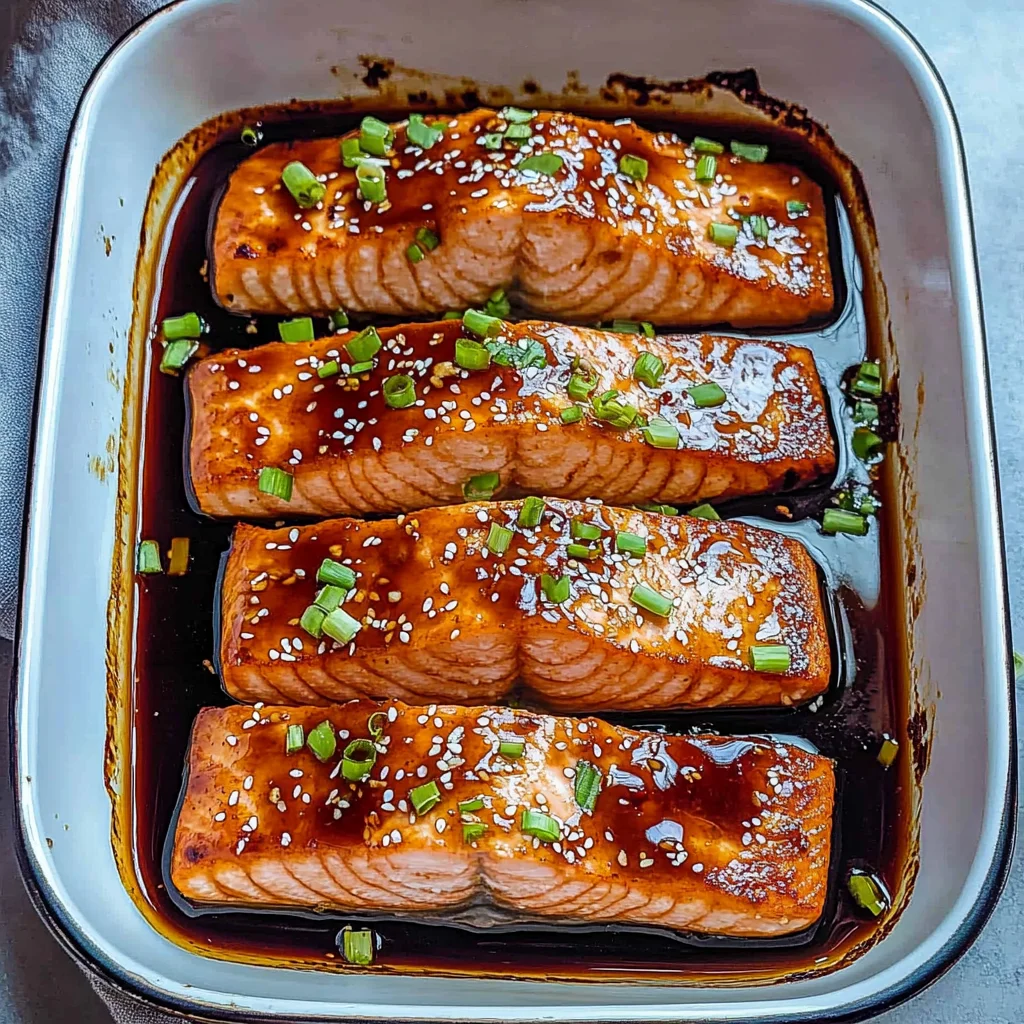
Baked Teriyaki Salmon is a flavorful and healthy dish that features skinless salmon fillets coated in a homemade teriyaki sauce made from low-sodium soy sauce, honey, rice vinegar, sesame oil, garlic, and ginger. This cooking method results in a tender and juicy fish that has a slightly sweet and savory glaze, creating a delightful contrast of flavors. The baking process ensures that the salmon remains moist while allowing the teriyaki sauce to caramelize beautifully. Plus, with minimal cleanup required, this easy recipe is perfect for busy weeknight dinners or impressing guests without the fuss.
Perfect For:
Busy Weeknights: This Baked Teriyaki Salmon comes together quickly, making it a perfect choice for a nutritious dinner when time is limited but you still want to enjoy something homemade.
Health-Conscious Eaters: With its wholesome ingredients and homemade teriyaki sauce, this recipe offers a delicious way to indulge without compromising on health, making it ideal for anyone looking to maintain a balanced diet.
Family Dinners: The rich flavors of the teriyaki glaze are sure to please both kids and adults alike, making it an easy go-to meal that can be scaled up for larger families or guests.
Impressive Date Night: Serve this beautifully glazed salmon with a side of steamed vegetables for a romantic dinner that looks gourmet but is surprisingly simple to prepare, perfect for impressing that special someone.
Ingredients for Baked Teriyaki Salmon
For the Salmon
- 4 fillets salmon fillets (skinless) – Choose fresh, high-quality salmon for the best flavor and texture.
For the Teriyaki Sauce
- 1/2 cup soy sauce (low sodium) – This keeps the dish flavorful without excess salt, perfect for a healthier option.
- 1/4 cup honey (or brown sugar) – Adds a delightful sweetness that balances the savory elements of the sauce.
- 2 tablespoons rice vinegar – Provides a tangy note that brightens the overall flavor of the teriyaki sauce.
- 1 tablespoon sesame oil – Imparts a rich, nutty flavor that enhances the dish’s Asian-inspired profile.
- 2 cloves garlic (minced) – Fresh garlic adds a robust aroma and depth to the homemade sauce.
- 1 teaspoon ginger (grated) – Ginger gives a warm spiciness that complements the sweetness of the honey or sugar.
- 1 tablespoon cornstarch (optional, for thickening) – Use this if you prefer a thicker sauce that clings beautifully to the salmon.
- 1 tablespoon water (for cornstarch mixture) – Helps dissolve cornstarch evenly before adding it to the sauce.
For Garnish
- 2 tablespoons green onions (sliced) – These add a fresh crunch and vibrant color to your plated Baked Teriyaki Salmon.
- 1 tablespoon sesame seeds (toasted) – Toasted seeds provide a lovely nutty flavor and an appealing visual finish to your dish.
Kitchen Equipment You’ll Need

- Mixing bowl
- Whisk
- Small bowl
- Baking dish
- Oven
- Fork
- Knife and cutting board
How to Make Baked Teriyaki Salmon
Step 1:
In a mixing bowl, whisk together the low sodium soy sauce, honey, rice vinegar, sesame oil, minced garlic, and grated ginger until well combined. This homemade teriyaki sauce will be the star of your dish, so take a moment to enjoy the fragrant aromas as you mix.
Step 2:
If you’re opting to thicken your sauce, take a small bowl and mix the cornstarch with water until it forms a smooth paste. Then, add this mixture to your teriyaki sauce and whisk again until everything is perfectly blended.
Step 3:
Now it’s time to marinate your salmon! Place the skinless salmon fillets in a baking dish and pour the teriyaki sauce over them, making sure they are thoroughly coated. Cover the dish with plastic wrap or a lid and let it marinate in the refrigerator for at least 15 minutes; this will enhance the flavors beautifully.
Step 4:
Preheat your oven to 375°F (190°C) while the salmon is marinating. This temperature is perfect for allowing the fish to cook evenly without drying out, ensuring it remains juicy and tender.
Step 5:
Once marinated, place your baking dish in the preheated oven and bake the salmon for about 15-20 minutes. You’ll know it’s ready when it flakes easily with a fork and looks beautifully cooked through — don’t hesitate to check on it!
Step 6:
When your salmon is done baking, take it out of the oven and garnish generously with sliced green onions and toasted sesame seeds. These little touches add not just flavor but also a lovely visual appeal that makes your dish pop.
Step 7:
Serve your delicious baked teriyaki salmon hot alongside steamed rice or fresh vegetables for a complete meal. Enjoy every bite of this healthy dinner that’s both satisfying and full of flavor!
Tips for Making This Perfect
- Choose fresh salmon: Fresh, high-quality salmon will enhance the flavor and texture of your dish, making it more enjoyable and tender when baked.
- Marinate longer for deeper flavor: While 15 minutes is the minimum, marinating the salmon for up to an hour allows the flavors to penetrate better, resulting in a more savory and delicious dish.
- Check for doneness carefully: Salmon cooks quickly; use a fork to gently flake the thickest part. It should be opaque and flake easily — overcooking can lead to a dry texture.
- Adjust sauce sweetness: If you prefer a less sweet teriyaki sauce, reduce the honey or brown sugar. Balancing sweetness helps enhance the overall flavor profile without overpowering the dish.
- Avoid overcrowding in the baking dish: Make sure there’s space between each fillet to allow for even cooking. Overcrowding can trap steam, leading to unevenly cooked salmon.
- Garnish just before serving: For optimal freshness, add green onions and sesame seeds right before serving. This keeps them vibrant and adds a delightful crunch that elevates your meal.
Optional Ingredients
- Creamy Avocado: Adding slices of ripe avocado provides a rich, buttery texture that complements the savory teriyaki flavors beautifully. Top your salmon with fresh avocado just before serving for a delightful creaminess.
- Sriracha Sauce: For those who enjoy a bit of heat, drizzle sriracha over the finished dish to add a spicy kick that balances the sweetness of the teriyaki sauce. Start with a small amount and adjust to your taste preference.
- Steamed Broccoli: Incorporating steamed broccoli not only adds vibrant color but also offers a healthy crunch that pairs well with the tender salmon. Serve it alongside or atop the salmon for an appealing plate.
- Lime Zest: A sprinkle of fresh lime zest brightens the dish with its citrusy aroma, enhancing the overall flavor profile. Use a microplane to finely grate the zest over the salmon right before serving.
- Chili Flakes: For an extra layer of flavor, sprinkle chili flakes on top of your baked salmon to introduce a subtle heat and beautiful visual contrast. It’s an easy way to elevate your meal without much effort.
What to Pair with Baked Teriyaki Salmon?
To complement the rich, savory flavors of baked teriyaki salmon, consider starting your meal with a fresh salad. A simple cucumber and avocado salad dressed with a light sesame vinaigrette provides a refreshing contrast to the umami notes of the teriyaki sauce. The cool, crisp textures of the vegetables will cleanse your palate and balance the dish’s richness, making for a delightful beginning.
For a heartier side, steamed broccoli or roasted asparagus works beautifully alongside the salmon. These vegetables not only add vibrant color to your plate but also bring a subtle earthiness that pairs well with the sweet and tangy teriyaki glaze. Their slight crunch and natural flavors enhance the overall experience while providing essential nutrients to round out your meal.
If you’re in the mood for comfort food, serving fragrant jasmine rice is an excellent choice. The fluffy grains soak up any extra teriyaki sauce, ensuring that every bite is packed with flavor. This classic pairing offers a satisfying base that complements the salmon’s tender texture while adding a touch of warmth to your dining experience.
To complete your meal, consider a light drink like sparkling water infused with lemon or ginger. This refreshing beverage helps cut through the richness of the salmon while echoing its flavors with a hint of zest. Alternatively, for those who enjoy dessert, a scoop of green tea ice cream offers a subtly sweet finish that harmonizes beautifully with the dish’s Asian-inspired elements.
Variations and Substitutions
Miso-glazed tofu instead: For a plant-based twist, swap out the salmon for firm tofu and marinate it in a mixture of miso paste, soy sauce, and a bit of honey or maple syrup. This results in a rich umami flavor with a slightly nutty undertone, perfect for vegan diners.
Chicken thighs in place of salmon: If you prefer poultry, use skinless chicken thighs instead of salmon. The thighs will absorb the teriyaki sauce beautifully, yielding a juicy and flavorful dish that pairs wonderfully with rice or steamed vegetables.
Quinoa as a side option: Instead of serving your baked teriyaki salmon with rice, try quinoa for a protein-packed alternative. Quinoa adds a slightly nutty flavor and complements the teriyaki sauce while providing added texture.
Pineapple chunks for sweetness: To introduce a tropical flair, add fresh pineapple chunks to the baking dish during the last 10 minutes of cooking. The heat caramelizes the pineapple, adding sweetness and a refreshing acidity that contrasts beautifully with the savory salmon.
Gluten-free soy sauce: For those avoiding gluten, substitute regular soy sauce with tamari or coconut aminos in your teriyaki sauce. This ensures everyone can enjoy the dish without compromising on flavor while making it suitable for gluten-free diets.
Spicy sriracha kick: If you crave some heat, incorporate a teaspoon of sriracha into your teriyaki sauce. This addition brings a delightful spiciness that balances the sweetness and gives your salmon an exciting kick.
Herbed butter finish: For added richness, melt some herbed butter (like garlic herb or lemon dill) and drizzle it over the baked salmon just before serving. The buttery richness combined with fragrant herbs elevates this dish to another level of indulgence.
Refrigerate any leftover Baked Teriyaki Salmon in an airtight container after it has cooled to room temperature. It will keep well for up to 3 days in the fridge. To reheat, place the salmon in a preheated oven at 350°F (175°C) for about 10 minutes or until warmed through; this helps maintain its flaky texture.
While this dish can be frozen, be aware that the texture of the salmon may change slightly upon thawing. For optimal results, wrap individual portions tightly in plastic wrap and then place them in a freezer-safe container or bag. Baked Teriyaki Salmon can be stored in the freezer for up to 3 months; to reheat, thaw overnight in the refrigerator and warm gently in the oven or microwave.
Frequently Asked Questions
Can I use a different type of fish instead of salmon for this recipe?
Yes, you can substitute salmon with other firm fish like trout or cod. Just keep in mind that cooking times may vary depending on the thickness of the fillets, so adjust accordingly to ensure they cook through.
Can I make this teriyaki sauce ahead of time?
Absolutely! You can prepare the teriyaki sauce in advance and store it in the refrigerator for up to a week. Just give it a good stir before using it to coat your salmon.
How do I know when my salmon is fully cooked?
Salmon is fully cooked when it flakes easily with a fork and reaches an internal temperature of 145°F (63°C). Keep an eye on the color change from bright pink to a more opaque shade as an indicator of doneness.
Can I make this dish gluten-free?
Yes, you can easily make this recipe gluten-free by using tamari or a gluten-free soy sauce alternative. This substitution will maintain the delicious flavor while accommodating dietary restrictions.
How should I store leftover baked teriyaki salmon?
Store any leftover salmon in an airtight container in the refrigerator for up to three days. Reheat gently in the oven or microwave, adding a splash of water to keep it moist.
Is it necessary to marinate the salmon for at least 15 minutes?
While marinating for 15 minutes enhances the flavor, you can marinate it longer if desired—up to an hour works well too. However, avoid marinating for too long as the acidity from the vinegar can affect the texture of the fish.
Baked Teriyaki Salmon
Ingredients
Method
- In a mixing bowl, whisk together soy sauce, honey, rice vinegar, sesame oil, minced garlic, and grated ginger.
- If using cornstarch, mix it with water in a small bowl until smooth, then add to the sauce mixture.
- Place the salmon fillets in a baking dish and pour the teriyaki sauce over them, ensuring they are well coated.
- Cover and marinate in the refrigerator for at least 15 minutes.
- Preheat the oven to 375°F (190°C).
- Bake the marinated salmon for 15-20 minutes, or until the salmon flakes easily with a fork.
- Garnish with sliced green onions and toasted sesame seeds before serving.
- Serve hot with steamed rice or vegetables.