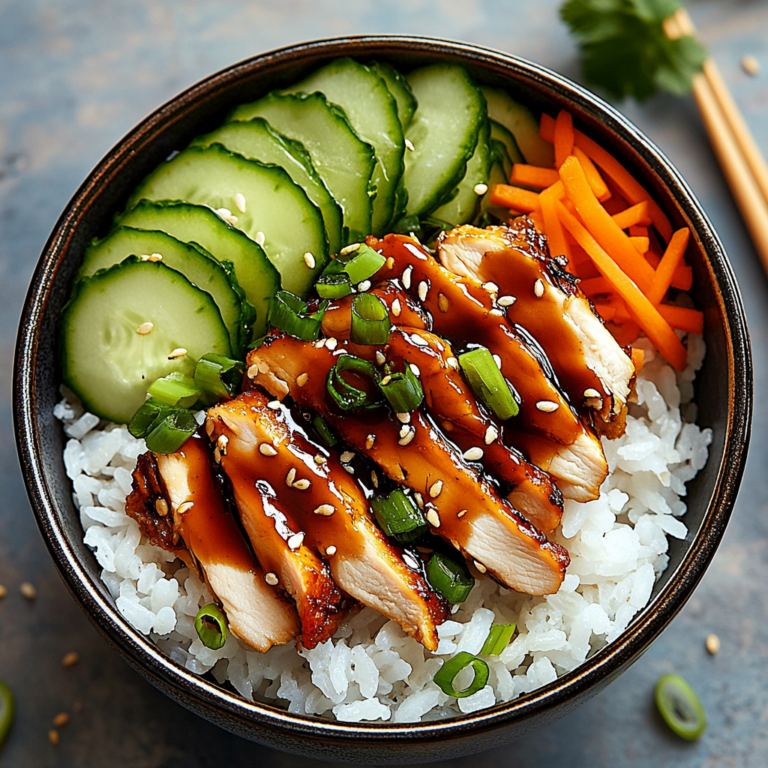
Panang Curry: Creamy and Comforting Delight in a Bowl
Creamy, Comforting, and Irresistibly Good
I first discovered the joy of making Panang Curry on a rainy afternoon when I craved something warm and satisfying. The moment I stirred in that rich, vibrant curry paste and watched it mingle with coconut milk, I knew I had stumbled onto something special. The creamy texture paired with bold flavors made it feel like a warm hug in a bowl.
What truly sets Panang Curry apart is its intoxicating aroma that fills the kitchen, drawing everyone in for a taste. It’s perfect for cozy dinners with loved ones or an intimate date night when you want to impress someone special. Each spoonful brings smiles and satisfied sighs, making it a dish that’s bound to create lasting memories.
To elevate your meal, serve this delightful curry over a bed of jasmine rice or alongside crispy spring rolls for added crunch. A sprinkle of fresh basil or lime zest brightens it up beautifully! Trust me, once you make this Panang Curry, you’ll find yourself coming back to this comforting recipe time and again.
What are Panang Curry?
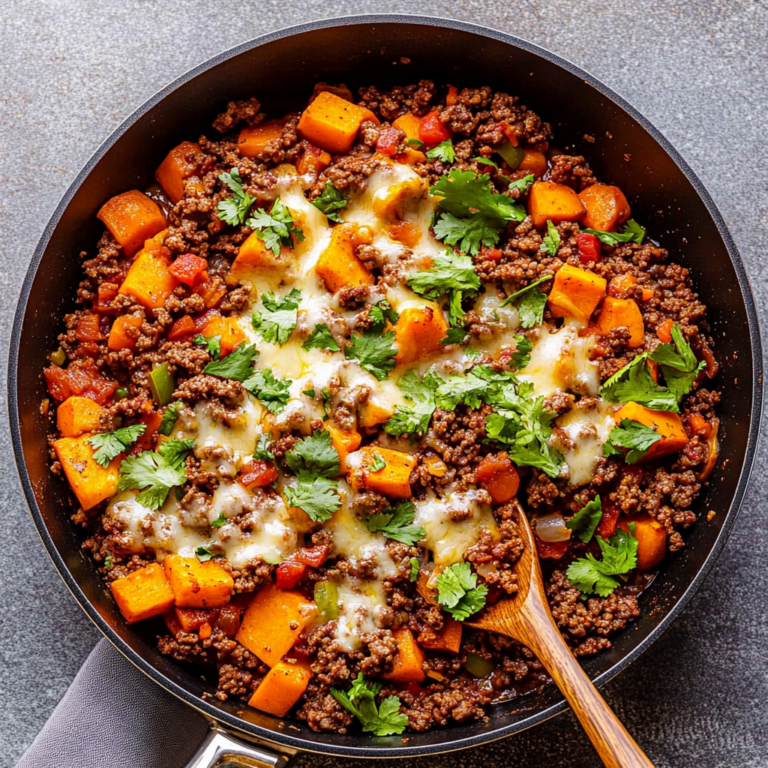
Panang Curry is a delightful Thai dish known for its rich and creamy texture, achieved by simmering tender pieces of sliced chicken breast or optional cubed tofu in a luscious sauce made from Panang curry paste and full-fat coconut milk. This flavorful curry is typically prepared in a skillet, allowing the ingredients to meld beautifully while highlighting the sweetness of bell peppers, zucchini, and carrots. Each bite delivers a harmonious balance of spicy and savory notes, with the aromatic garnishes of fresh basil and lime juice adding a refreshing finish. Plus, it’s incredibly easy to make in just one pan, making cleanup a breeze for any home cook.
Perfect For:
Busy Weeknights: Whip up this Panang Curry in under 30 minutes for a satisfying dinner that doesn’t compromise on flavor, making it perfect for those hectic evenings when you need a quick meal.
Budget-Friendly Indulgence: Enjoy the rich and creamy goodness of a restaurant-quality Thai dish right at home, allowing you to savor gourmet flavors without breaking the bank.
Family Gatherings: This recipe is easily scalable, so you can make enough to feed the whole family or a group of friends, ensuring everyone leaves the table happy and satisfied.
Cozy Nights In: Create a warm and inviting atmosphere with this comforting curry that wraps you in its creamy richness—ideal for rainy days or when you just want to treat yourself after a long week.
Panang Curry Ingredient List
For the Protein
- 1 lb chicken breast (sliced into thin strips) – Tender chicken adds a hearty protein boost to your Panang Curry.
- 1 cup tofu (cubed, optional) – Perfect for a vegetarian version; tofu absorbs the rich flavors beautifully.
For the Vegetables
- 1 cup bell pepper (sliced) – Sweet bell peppers bring a crunchy texture and vibrant color to the dish.
- 1 cup zucchini (sliced) – Adds a subtle flavor and absorbs the creamy curry sauce wonderfully.
- 1 cup carrot (sliced) – Carrots add sweetness and a pop of color, enhancing the overall appeal of your meal.
For the Curry Base
- 2 tbsp Panang curry paste (adjust to taste) – This fragrant paste is key to achieving that authentic Thai flavor profile.
- 1 can coconut milk (full-fat for creaminess) – Full-fat coconut milk creates a luxuriously creamy base that balances the spices perfectly.
- 1 tbsp fish sauce (or soy sauce for vegetarian) – A dash of fish sauce adds umami depth, while soy sauce keeps it vegetarian-friendly.
- 1 tbsp brown sugar (to balance flavors) – Brown sugar helps to mellow out the spice and enhance the natural sweetness of the vegetables.
For the Garnish
- 1 tbsp lime juice (freshly squeezed) – A splash of lime juice brightens up the dish with fresh acidity.
- 2 tbsp fresh basil (Thai basil preferred) – Thai basil elevates your Panang Curry with its unique aroma and slightly spicy flavor.
Kitchen Equipment You’ll Need
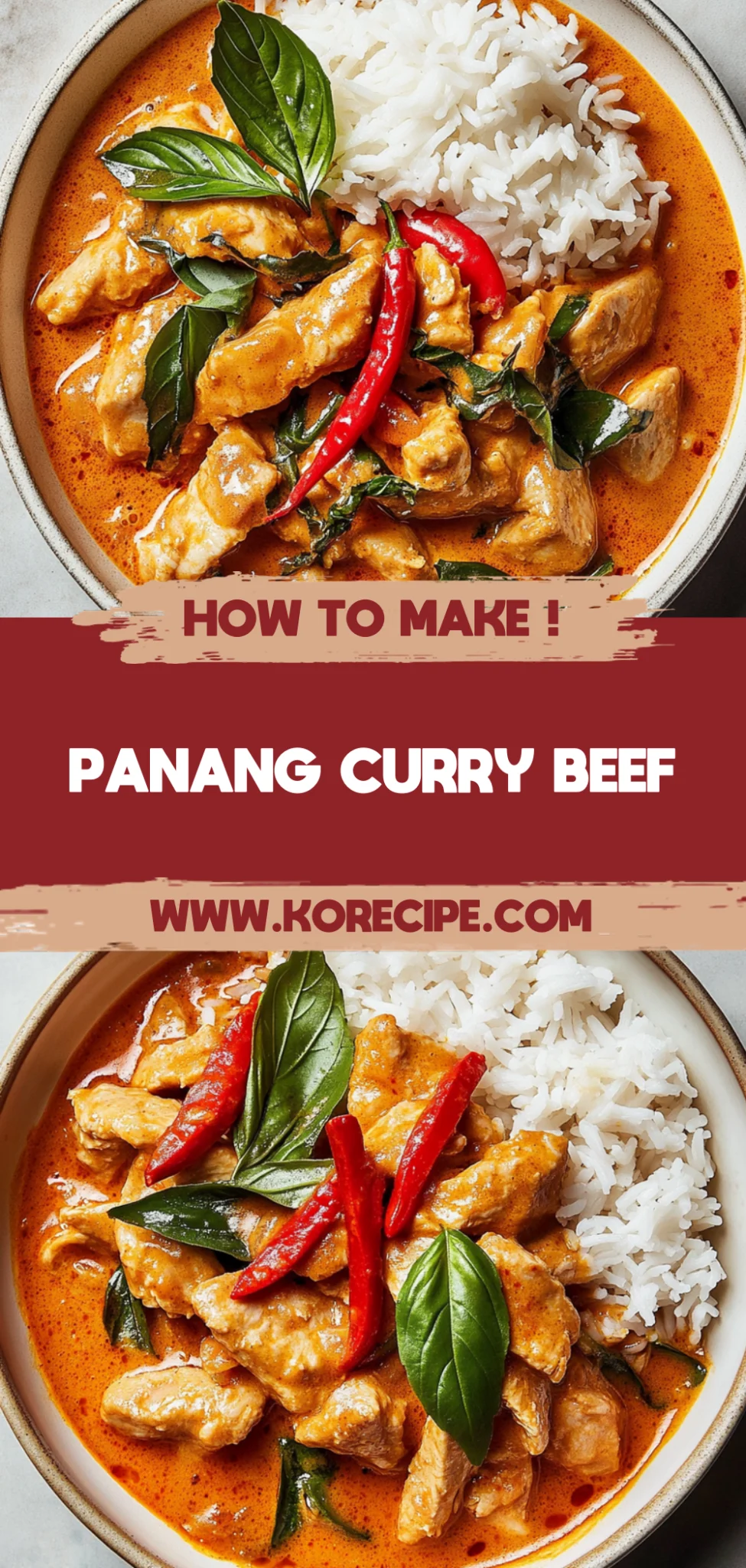
- Large non-stick or cast-iron skillet
- Sharp knife
- Cutting board
- Measuring spoons
- Wooden spoon or spatula
- Can opener
How to Make This Recipe
Step 1:
Slice the chicken breast into thin strips and prepare your vegetables by slicing the bell pepper, zucchini, and carrot as specified. If you’re using tofu, cube it into bite-sized pieces. Having everything prepped will make the cooking process smooth and enjoyable.
Step 2:
In a large skillet, heat a tablespoon of oil over medium heat. Once the oil is shimmering, add the sliced chicken or tofu to the skillet. Cook until the chicken is browned and cooked through, about 5-7 minutes for chicken, or until the tofu is golden and slightly crispy.
Step 3:
Stir in the sliced bell pepper, zucchini, and carrot into the skillet with the protein. Cook the vegetables for another 5 minutes until they are tender but still vibrant in color. This will ensure they retain some crunch and freshness in your curry.
Step 4:
Next, add the Panang curry paste to the skillet, stirring well to coat all the ingredients evenly. The curry paste should start to become fragrant as you mix it in, which means it’s time to move on to the next step!
Step 5:
Pour in a can of full-fat coconut milk along with the fish sauce (or soy sauce if you’re going vegetarian) and brown sugar. Stir everything together until combined, allowing those flavors to meld beautifully.
Step 6:
Bring your mixture to a gentle simmer and let it cook for about 10-15 minutes. Make sure to stir occasionally so nothing sticks to the bottom of your skillet. You’ll know it’s ready when it thickens slightly and smells absolutely divine!
Step 7:
Remove your skillet from heat and stir in freshly squeezed lime juice along with chopped fresh basil for that burst of flavor. The lime will brighten up your dish beautifully!
Step 8:
Serve your delicious Panang curry hot with steamed rice or noodles to soak up all that rich sauce. Enjoy every bite of this comforting dish!
Tips
- Slice chicken against the grain: Cutting the chicken breast against the grain makes it more tender and easier to chew, enhancing the overall texture of your curry.
- Use fresh vegetables: Opt for fresh bell peppers, zucchini, and carrots instead of frozen ones; they retain their crunch and vibrant colors, adding to the dish’s visual appeal and freshness.
- Adjust curry paste to taste: Start with 2 tablespoons of Panang curry paste but taste as you go. This allows you to control the spice level and flavor intensity, ensuring it matches your preference.
- Simmer for depth of flavor: Allowing the curry to simmer for a full 10-15 minutes helps meld the flavors together. The longer simmering enhances the richness and complexity of the dish.
- Add lime juice at the end: Incorporating freshly squeezed lime juice right before serving brightens up the flavors. It balances out the creaminess of coconut milk with a refreshing acidity.
- Garnish generously with basil: Don’t skimp on fresh Thai basil when serving. Its aromatic qualities elevate the dish and provide a fragrant finish that complements the curry beautifully.
Optional Ingredients
- Cilantro: Adding a handful of fresh cilantro brings a burst of herbal freshness that brightens the dish; sprinkle it over the curry just before serving for a pop of color and flavor.
- Red Chili Flakes: For those who enjoy a little heat, red chili flakes can elevate your Panang Curry with extra spice; add them to taste when cooking or serve on the side for guests to customize their heat level.
- Eggplant: Diced eggplant provides a lovely creamy texture that complements the curry’s richness; sauté it alongside your other vegetables until tender for added depth.
- Lemongrass: This fragrant herb adds citrusy brightness and complexity; bruise several stalks and simmer them in the curry base for an aromatic infusion, then remove before serving.
- Peanut Butter: A spoonful of creamy peanut butter introduces nutty richness to the curry, enhancing its depth; stir it in toward the end of cooking for a deliciously unique twist.
What to Pair with Panang Curry?
To complement the rich and creamy flavors of Panang Curry, consider starting your meal with a fresh salad. A mango salad with lime dressing adds a zesty brightness that contrasts beautifully against the curry’s richness, while the sweetness of ripe mango enhances the dish’s complex flavors. Alternatively, a simple cucumber salad offers a refreshing crunch that helps cleanse the palate between bites, allowing each mouthful of curry to shine.
For those looking to elevate their dining experience further, steamed or roasted vegetables make an excellent side. Broccoli or green beans, lightly seasoned and cooked until just tender, provide a vibrant color and a satisfying crunch that balances the silky texture of the curry. The slight bitterness of these greens can also counteract the sweetness from the coconut milk and brown sugar, creating a harmonious flavor profile on your plate.
When it comes to comfort sides, jasmine rice is an undeniable classic. Its fluffy texture serves as the perfect vehicle for soaking up every drop of the luscious curry sauce, while its subtle aroma enhances the overall sensory experience of your meal. Additionally, you could serve warm naan bread as an alternative; its soft, chewy quality makes it delightful for scooping up both curry and any leftover sauce, ensuring nothing goes to waste.
Finally, rounding off your meal with a drink pairing can truly elevate your dining experience. A chilled Riesling or Sauvignon Blanc works wonders; their crisp acidity cuts through the creaminess of Panang Curry while complementing its aromatic spices. For dessert, consider serving coconut sorbet; its light and refreshing nature echoes the coconut in your curry and provides a sweet finish without overwhelming your palate.
Variations and Substitutions
Shrimp instead of chicken: Swap out the chicken for shrimp for a delightful seafood twist. The shrimp cooks quickly and absorbs the rich flavors of the Panang curry while adding a beautiful pink hue to your dish.
Cauliflower for a low-carb option: Substitute cauliflower florets in place of carrots and zucchini for a low-carb alternative that still provides great texture. When steamed slightly before adding, they soak up the coconut milk beautifully, making each bite satisfying and light.
Eggplant as a vegetable addition: Incorporate diced eggplant along with your other vegetables for a creamy texture that complements the curry. The eggplant soaks up the curry sauce, resulting in a rich and satisfying bite.
Coconut cream for extra richness: For an even creamier curry, use coconut cream instead of coconut milk. This will elevate the dish’s richness and provide a more luxurious mouthfeel while maintaining that tropical flavor profile.
Spicy chili peppers for heat: If you prefer your Panang curry with an extra kick, add sliced Thai bird chilies or red chili flakes when cooking the protein. This addition will give your dish an exciting heat level that beautifully contrasts with the sweetness of the brown sugar.
Mushrooms as a hearty substitute: Replace tofu with mushrooms for a meaty, umami-packed option that’s perfect for mushroom lovers. Varieties like shiitake or portobello add depth of flavor and a satisfying chewiness to your curry.
Kale or spinach for added greens: Toss in some kale or fresh spinach during the last few minutes of cooking to introduce vibrant greens to your dish. This not only boosts nutrition but also adds color and a slight earthiness that balances out the creamy sauce perfectly.
To store your Panang Curry in the refrigerator, allow it to cool to room temperature before transferring it to an airtight container. It will keep well for up to 3-4 days. When reheating, do so gently on the stove over low heat, adding a splash of coconut milk or water if needed to restore its creamy texture and prevent it from drying out.
Panang Curry can be frozen, but note that the texture of the vegetables may change slightly upon thawing. To freeze, portion the curry into freezer-safe containers or resealable bags, leaving some space for expansion. It will stay fresh for up to 2-3 months in the freezer. To thaw, place it in the refrigerator overnight or use the defrost setting on your microwave, and reheat gently on the stove while stirring occasionally.
Frequently Asked Questions
Can I use a different protein instead of chicken or tofu for Panang Curry?
Yes, you can easily substitute the chicken or tofu with other proteins such as beef, shrimp, or even pork. Just be sure to adjust the cooking time accordingly to ensure that your chosen protein is cooked through.
How do I keep the chicken tender in my Panang Curry?
To keep the chicken tender, avoid overcooking it. Cook the sliced chicken until it’s just browned and then simmer it in the coconut milk mixture for only 10-15 minutes. This helps retain moisture and keeps the meat juicy.
Can I prep the ingredients for Panang Curry in advance?
Absolutely! You can slice the vegetables and marinate the chicken or tofu up to a day ahead. Just store them in airtight containers in the refrigerator to maintain freshness until you’re ready to cook.
Is there a way to make this recipe gluten-free?
Definitely! Simply substitute the fish sauce with a gluten-free soy sauce or tamari. Ensure that your curry paste does not contain any gluten-based ingredients as well.
How spicy is this Panang Curry recipe?
The spiciness can vary based on how much Panang curry paste you choose to use. Start with 2 tablespoons and adjust according to your spice preference. If you’re sensitive to heat, consider adding just one tablespoon initially and tasting before adding more.
Can I use frozen vegetables instead of fresh ones for this recipe?
Yes, frozen vegetables can work well in Panang Curry. Just make sure to thaw them before adding them to the skillet to ensure even cooking. They might require a slightly shorter cooking time than fresh vegetables.
Can I make this curry in an Instant Pot or slow cooker?
While this recipe is designed for stovetop cooking, you can adapt it for an Instant Pot by sautéing first, then sealing and cooking under pressure for about 5 minutes. For a slow cooker, add all ingredients and cook on low for 4-6 hours for best results.
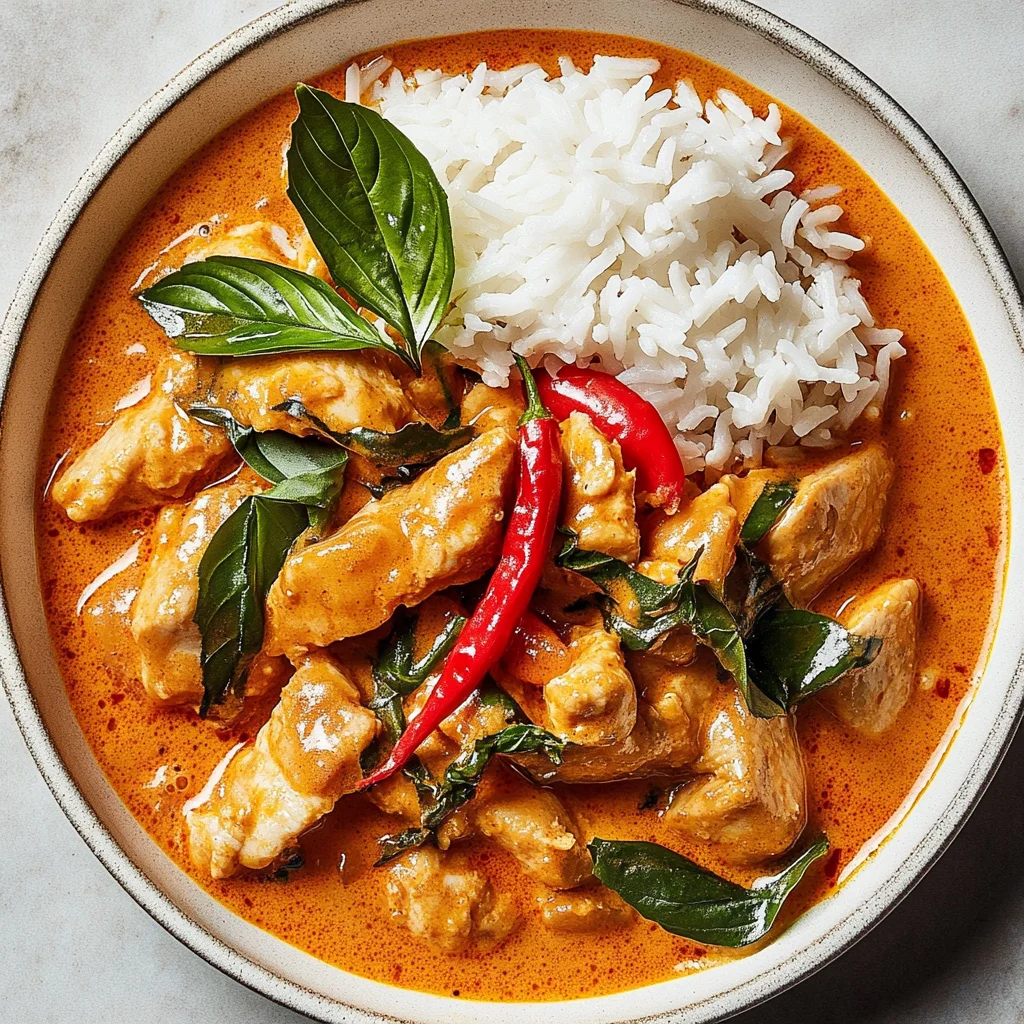
Panang Curry
Ingredients
Method
- Slice the chicken breast and vegetables as specified.
- Cube the tofu if using.
- In a large skillet, heat a tablespoon of oil over medium heat.
- Add the sliced chicken (or tofu) and cook until browned, about 5-7 minutes.
- Stir in the bell pepper, zucchini, and carrot, cooking for another 5 minutes.
- Add the Panang curry paste and stir well to coat the ingredients.
- Pour in the coconut milk, fish sauce, and brown sugar, stirring to combine.
- Bring to a simmer and let cook for 10-15 minutes, stirring occasionally.
- Remove from heat and stir in lime juice and fresh basil.
- Serve hot with steamed rice or noodles.