Yaki Udon Noodle Recipe: Cozy Comfort in Every Bite
Savor the Warmth of Home
I first made this Yaki Udon Noodle Recipe on a chilly evening when I craved something warm and comforting. The way the thick udon noodles soak up the savory sauce, combined with the crunch of fresh vegetables, makes this dish not only easy to whip up but incredibly delightful to eat. It quickly became one of my go-to meals for busy nights.
What truly sets this dish apart is the mouthwatering aroma that fills your kitchen as it cooks, drawing everyone in with anticipation. Each bite bursts with flavor, making it perfect for cozy dinners with family or a romantic date night at home. It’s the kind of meal that invites conversation and laughter around the table, bringing people together.
To elevate your Yaki Udon experience, consider serving it alongside crispy spring rolls or a light cucumber salad for balance. Top it off with a sprinkle of sesame seeds or sliced green onions for an extra pop of flavor. Trust me, this dish will leave you and your loved ones feeling satisfied and eager to make it again!
What are Yaki Udon Noodle Recipe?
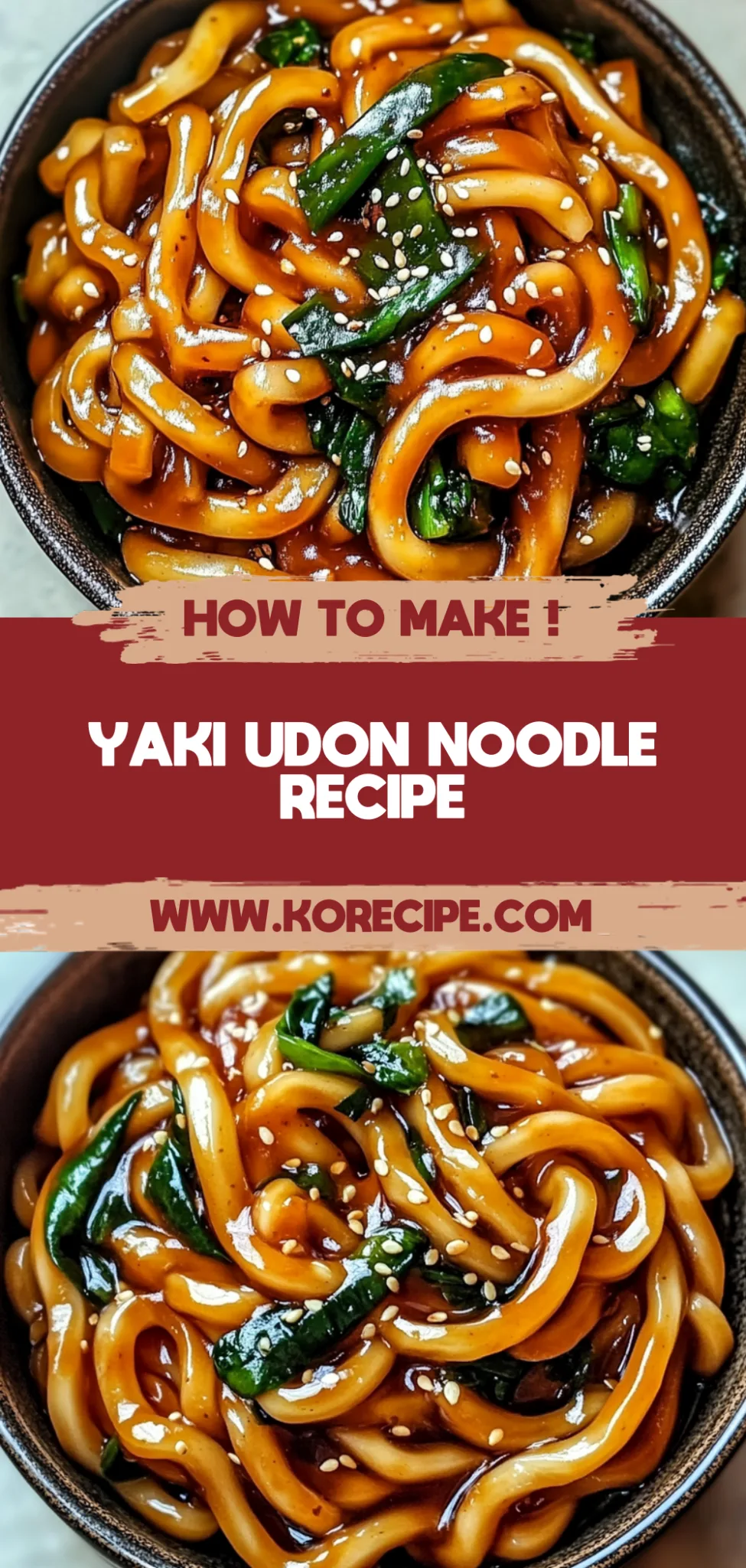
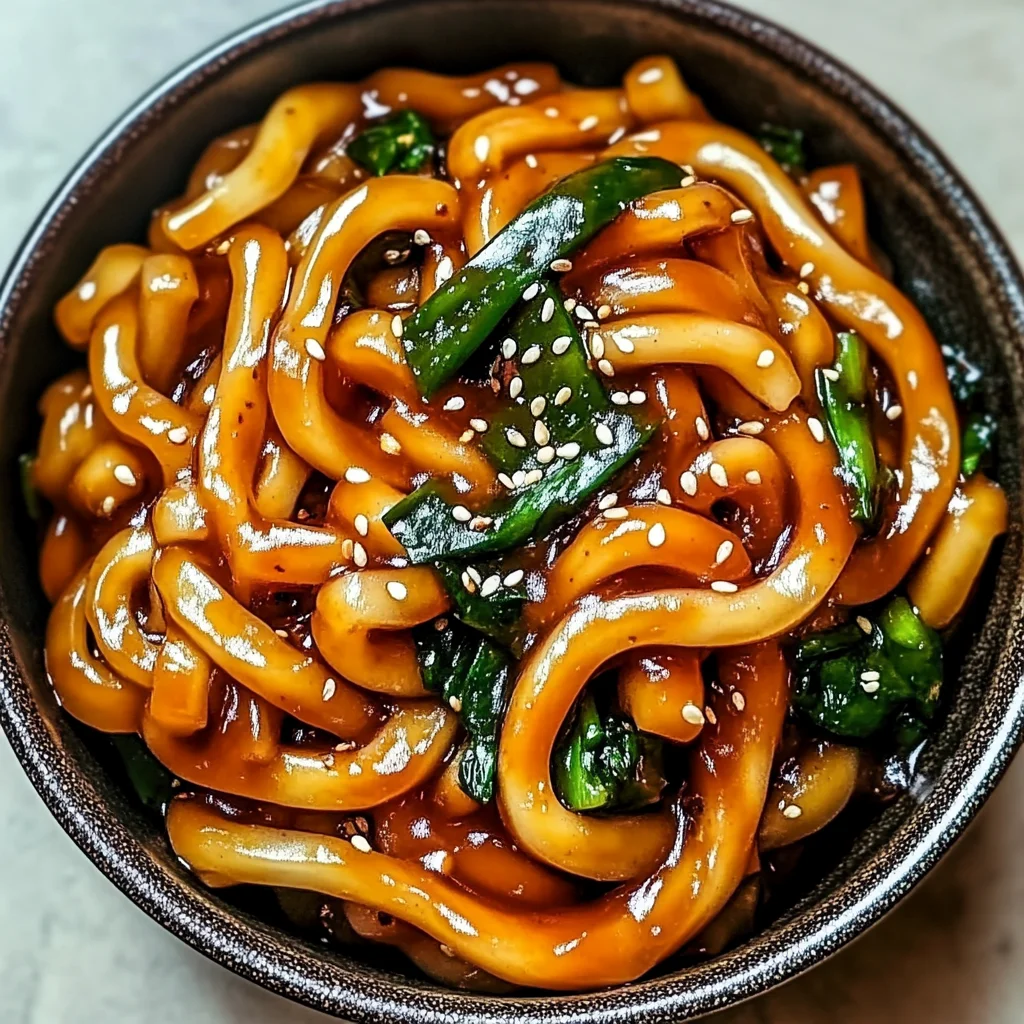
Yaki Udon Noodle Recipe is a vibrant stir-fry that showcases thick, chewy udon noodles complemented by a colorful medley of sliced bell peppers, julienned carrots, and tender broccoli florets. The dish is infused with a savory sauce made from low sodium soy sauce, mirin, and sesame oil, creating a delightful balance of flavors that are both rich and slightly sweet. Cooked in a skillet, this one-pan meal offers a satisfying texture with the noodles being soft yet hearty, while the vegetables add a fresh crunch. With its straightforward preparation and minimal cleanup, this recipe is perfect for busy weeknights when you crave something delicious without the hassle.
Perfect For:
Quick Weeknight Dinners: This Yaki Udon Noodle recipe comes together in just 30 minutes, making it an ideal choice for busy evenings when you need a satisfying meal without the fuss.
Budget-Friendly Feast: With simple ingredients that pack a punch, you can enjoy restaurant-quality flavors at home without breaking the bank.
Family Gatherings: This dish is easy to scale up, allowing you to whip up a generous batch that will delight everyone at the table, from kids to adults.
Cozy Night In: The warm, savory notes of Yaki Udon make it perfect for snuggling up on the couch with a comforting bowl of noodles during those rainy days or chilly nights.
Yaki Udon Noodle Recipe Ingredients
For the Noodles
- 12 oz udon noodles (fresh or frozen) – These thick, chewy noodles are the star of your Yaki Udon Noodle Recipe and soak up flavors beautifully.
For the Vegetables
- 1 cup bell pepper (sliced) – A pop of color and sweetness that adds freshness to your dish.
- 1 cup carrot (julienned) – Provides a delightful crunch and natural sweetness to balance the savory sauce.
- 1 cup broccoli florets – Packed with nutrients, these florets add a vibrant green touch and fantastic texture.
For the Sauce
- 3 tbsp soy sauce (low sodium preferred) – The backbone of flavor in your stir-fry, keeping it savory without overwhelming saltiness.
- 2 tbsp mirin (Japanese sweet rice wine) – Adds a hint of sweetness and depth, enhancing the overall taste.
- 1 tbsp sesame oil – Imparts a rich, nutty aroma that elevates your Yaki Udon experience.
For the Protein (optional)
- 1 cup chicken breast (sliced thinly) – Lean protein that absorbs flavors well; perfect for meat lovers.
- 1 cup tofu (cubed, for a vegetarian option) – A great source of protein that takes on the delicious sauce beautifully for a hearty vegetarian meal.
For the Garnish
- 2 tbsp green onions (chopped) – Freshness and a mild onion flavor that brightens every bite.
- 1 tbsp sesame seeds (toasted) – Adds a delightful crunch and nutty flavor, making your dish visually appealing and tasty.
Kitchen Equipment You’ll Need
- Wok
- Large pot
- Colander
- Cutting board
- Sharp knife
- Tongs or spatula
How to Make Yaki Udon Noodle Recipe
Step 1:
Cook the udon noodles according to package instructions until they are al dente, which typically takes about 5-7 minutes. Once cooked, drain the noodles well and set them aside. If you’re using frozen noodles, be sure to thaw them in warm water before cooking so they separate easily.
Step 2:
Heat your wok over medium-high heat and add the sesame oil. Allow the oil to warm up for a minute before adding your vegetables. This step is crucial as it helps to enhance the flavors of the oil and ensures it coats the veggies nicely.
Step 3:
Next, add the sliced bell pepper, julienned carrot, and broccoli florets to the hot wok. Stir-fry these vibrant vegetables for about 5 minutes until they are tender-crisp — you want them to retain some texture and color for that perfect stir-fried look.
Step 4:
If you’ve decided to include protein in your dish, now is the time to add either the sliced chicken or cubed tofu to the wok. Stir-fry everything together for about 5-7 minutes until the chicken is cooked through and no longer pink or until your tofu is golden brown and heated throughout.
Step 5:
Now it’s time to combine everything! Add the cooked udon noodles directly into the wok along with 3 tablespoons of soy sauce and 2 tablespoons of mirin. Toss everything together thoroughly and stir-fry for an additional 2-3 minutes, allowing all those delicious flavors to meld beautifully.
Step 6:
Finally, remove your yaki udon from heat. Garnish generously with chopped green onions and toasted sesame seeds before serving hot. This adds a lovely crunch and fresh flavor that elevates your dish even further!
Tips
- Prepare Ingredients Ahead: Chop your vegetables and protein in advance to streamline the cooking process. This ensures a quick stir-fry, maintaining the fresh texture of the ingredients.
- Use High Heat: Stir-frying on medium-high heat creates a slight char on the veggies and noodles, enhancing their flavor. This technique also helps to keep the vegetables tender-crisp rather than soggy.
- Don’t Overcrowd the Pan: If you’re making a larger batch, cook in batches instead of overcrowding the wok. Overcrowding can lead to steaming instead of stir-frying, preventing that desirable texture.
- Adjust Sauce to Taste: Start with the recommended amounts of soy sauce and mirin, then taste and adjust as needed. Customizing the sauce enhances flavor and tailors it to your personal preference.
- Quickly Toss Noodles: After adding the cooked udon noodles to the pan, toss them swiftly for even coating in sauce. This helps to prevent sticking and ensures every bite is flavorful.
- Garnish Generously: Don’t skimp on the green onions and sesame seeds when serving. They not only add visual appeal but also provide a fresh crunch that complements the dish beautifully.
Optional Ingredients
- Shredded Nori: This dried seaweed adds a delightful umami flavor and a touch of color. Simply sprinkle it over your dish before serving for a burst of coastal taste.
- Sriracha or Chili Oil: For those who crave heat, these condiments can elevate your Yaki Udon with a spicy kick. Drizzle them over the finished dish or mix into the sauce for an extra layer of flavor.
- Mushrooms (shiitake or enoki): These add a rich, earthy flavor and meaty texture that complements the udon beautifully. Sauté them lightly with the vegetables to infuse their essence throughout the dish.
- Lime Juice: A squeeze of fresh lime juice brightens up the flavors and adds a zesty contrast to the savory elements. Add just before serving for a refreshing twist.
- Creamy Peanut Sauce: For an indulgent touch, drizzle some creamy peanut sauce over your Yaki Udon. It adds richness and a nutty depth that pairs wonderfully with the noodles and vegetables.
What to Pair with Yaki Udon Noodle Recipe?
For a refreshing contrast to the savory flavors of yaki udon, consider serving a fresh salad as a light starter. A simple cucumber and avocado salad dressed with rice vinegar is an excellent choice, as the cool, crisp textures complement the chewy noodles beautifully. The creamy avocado adds richness, while the acidity of the vinegar brightens up the dish and balances the umami notes from the soy sauce in your noodles.
Steamed or roasted vegetables can also enhance your meal by adding more depth and nutrition. Try pairing yaki udon with garlic sautéed bok choy or roasted asparagus seasoned with sesame oil. These vegetables not only echo the Asian flavor profile but also provide an earthy balance that complements the stir-fried udon without overwhelming its taste.
If you’re in the mood for something comforting, consider serving a side of fluffy jasmine rice. The mild flavor of jasmine rice acts as a perfect canvas to soak up any leftover sauce from your yaki udon, creating a satisfying completeness to your meal. Alternatively, a side of vegetable tempura could add a delightful crunch that contrasts nicely with the soft noodles and tender vegetables.
To round out your dining experience, think about pairing your dish with a light drink like sparkling water infused with lemon or even a chilled sake. The effervescence will cleanse your palate between bites, enhancing the overall enjoyment of the rich flavors in your yaki udon. For dessert, a delicate green tea ice cream would be an exquisite way to finish, offering subtle sweetness that ties back into the Japanese culinary theme while providing a refreshing end to your meal.
Variations and Substitutions
Soba Noodles instead: Swap udon noodles for soba noodles for a nuttier flavor and a slightly firmer texture. Soba noodles are made from buckwheat, adding a unique taste and making this dish gluten-free if you choose 100% buckwheat soba.
Zucchini Noodles for a low-carb option: Use spiralized zucchini or “zoodles” in place of udon noodles to create a lighter, low-carb version of this dish. The zucchini will absorb the flavors of the sauce while providing a refreshing crunch.
Shrimp or scallops as protein: Substitute chicken or tofu with shrimp or scallops for a seafood twist that brings a delicate sweetness to your Yaki Udon. These proteins cook quickly, so they will add an elegant touch without compromising the cooking time.
Bell Peppers with Sugar Snap Peas: Replace bell peppers with sugar snap peas for an extra burst of sweetness and crunch. This swap adds a fresh, crisp texture that complements the tender udon perfectly.
Coconut Aminos for soy-free: If you’re looking for a soy-free alternative, use coconut aminos in place of soy sauce. This substitution offers a slightly sweeter flavor profile while being lower in sodium, making it great for those watching their salt intake.
Spicy Kimchi addition: Enhance your Yaki Udon by adding chopped kimchi during the stir-fry stage. This fermented ingredient introduces a spicy tanginess and depth of flavor that elevates the dish into something truly remarkable.
Creamy Peanut Sauce variation: For an indulgent twist, drizzle creamy peanut sauce over your finished Yaki Udon instead of the traditional sauce. This variation brings richness and nutty flavors that beautifully complement the vegetables and noodles.
Thai Basil for fresh herb twist: Incorporate fresh Thai basil into your dish just before serving for an aromatic lift. The fragrant herbs infuse each bite with an exotic flair, transforming your Yaki Udon into a vibrant culinary experience.
To store your Yaki Udon, allow it to cool completely before transferring it to an airtight container. It will keep well in the refrigerator for up to 3 days. When you’re ready to enjoy it again, simply reheat in a skillet over medium heat, adding a splash of water or additional sesame oil to restore moisture and prevent sticking.
This dish does freeze well, but the texture of the vegetables may change slightly upon thawing. To freeze, portion the noodles and vegetables into freezer-safe containers or bags, making sure to remove as much air as possible. It can be stored in the freezer for up to 2 months; when you’re ready to eat, thaw overnight in the refrigerator and reheat on the stovetop with a bit of oil or water to regain some of its original texture.
Frequently Asked Questions
Can I use a different type of noodle instead of udon?
Yes, you can substitute udon noodles with other types of noodles like soba or lo mein. However, keep in mind that the cooking time may vary depending on the type of noodle you choose, so adjust accordingly.
How can I make this recipe vegetarian-friendly?
To make this Yaki Udon noodle dish vegetarian, simply replace the chicken with tofu, as mentioned in the recipe. You can also add more vegetables or even some mushrooms for added flavor and texture.
Do I need to cook the vegetables beforehand?
No, you do not need to pre-cook the vegetables. Stir-frying them directly in the wok will give them a nice tender-crisp texture, which enhances their flavor and maintains their nutrients.
Can I prepare this dish in advance?
Yes, you can prepare the components of this dish in advance. Cook the udon noodles and chop your vegetables ahead of time. Just store them separately in airtight containers in the refrigerator until you’re ready to stir-fry.
Is it possible to freeze leftovers?
Absolutely! You can freeze leftover Yaki Udon noodles. Just make sure they are cooled completely before transferring them to an airtight container or freezer bag. When ready to eat, thaw and reheat in a pan with a bit of oil.
How do I ensure my chicken stays tender?
To keep your chicken tender, slice it thinly against the grain before cooking. This helps break down muscle fibers and will result in a more tender bite. Additionally, avoid overcooking it during stir-frying; aim for just 5-7 minutes until fully cooked.
Can I use low-sodium soy sauce?
Yes, using low-sodium soy sauce is a great option if you want to reduce sodium intake. It works perfectly in this recipe without compromising on flavor, especially when combined with mirin and sesame oil for balance.
What if I don’t have mirin?
If you don’t have mirin on hand, you can substitute it with a mixture of rice vinegar and sugar (1 tablespoon rice vinegar + 1 teaspoon sugar). This will mimic the sweet and tangy profile that mirin provides in the sauce.
Yaki Udon Noodle Recipe
Ingredients
Method
- Cook the udon noodles according to package instructions until al dente. Drain and set aside.
- If using frozen noodles, thaw them in warm water before cooking.
- Heat the wok over medium-high heat and add sesame oil.
- Add the bell pepper, carrot, and broccoli. Stir-fry for about 5 minutes until tender-crisp.
- If using chicken or tofu, add it to the wok and stir-fry until cooked through, about 5-7 minutes.
- Add the cooked udon noodles to the wok along with soy sauce and mirin. Toss everything together and stir-fry for an additional 2-3 minutes.
- Remove from heat, garnish with green onions and sesame seeds, and serve hot.